

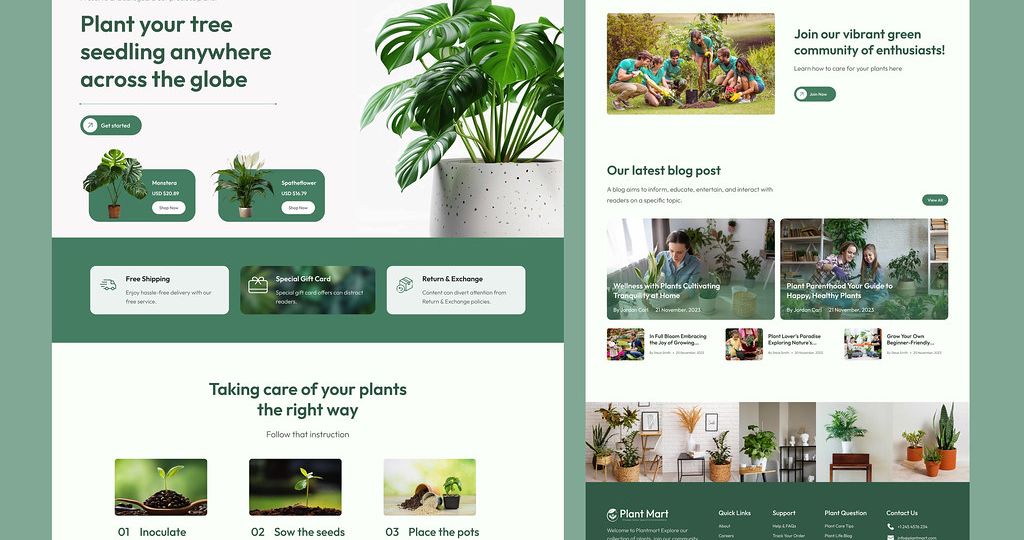
Web design continues to evolve quickly, but the biggest shifts are no longer just about visual novelty. The strongest trends in 2026 are about clarity, speed, flexibility, and brand personality.
Modern websites are expected to do more than look polished. They need to communicate quickly, perform well on every device, and create a memorable experience without overwhelming the user. The best web design trends now combine aesthetics with strategy.
One of the most important trends is cleaner visual hierarchy. Sites are moving away from clutter and toward layouts that create stronger focus. Better spacing, sharper typography, and more intentional use of color are making websites feel more confident and easier to navigate.
Another key trend is stronger brand expression. Minimalism is still influential, but generic design is losing ground. Brands want websites that feel distinctive rather than interchangeable. Custom illustration, bold typography, curated imagery, and more expressive layout systems are helping businesses create more recognizable identities online.
Performance-focused design is also becoming a bigger priority. Fast-loading sites, mobile-first structure, lightweight design choices, and smoother user flows are no longer optional. A visually impressive site that performs poorly loses credibility fast.
We are also seeing more modular design systems. Flexible content blocks make it easier for brands to scale content, maintain visual consistency, and update pages without rebuilding everything from scratch. This is especially important for sites that plan to publish regularly.
Accessibility is becoming more visible as both a design principle and a business standard. Better contrast, readable typography, keyboard-friendly interactions, and clearer content structure are improving usability for everyone, not just a subset of users.
AI is also influencing web design workflows. Designers are using AI to speed up ideation, assist with copy and structure, and explore layout possibilities. The best results still require human taste and direction, but the workflow is changing.
Finally, content-forward layouts are becoming more important. As more brands invest in publishing, websites are increasingly designed like media platforms rather than static brochures. This means stronger category pages, featured article sections, editorial grids, and better on-site discovery.
The best web design trend to follow in 2026 is not any single visual device. It is the move toward websites that feel more useful, more branded, more flexible, and more intentional.
